
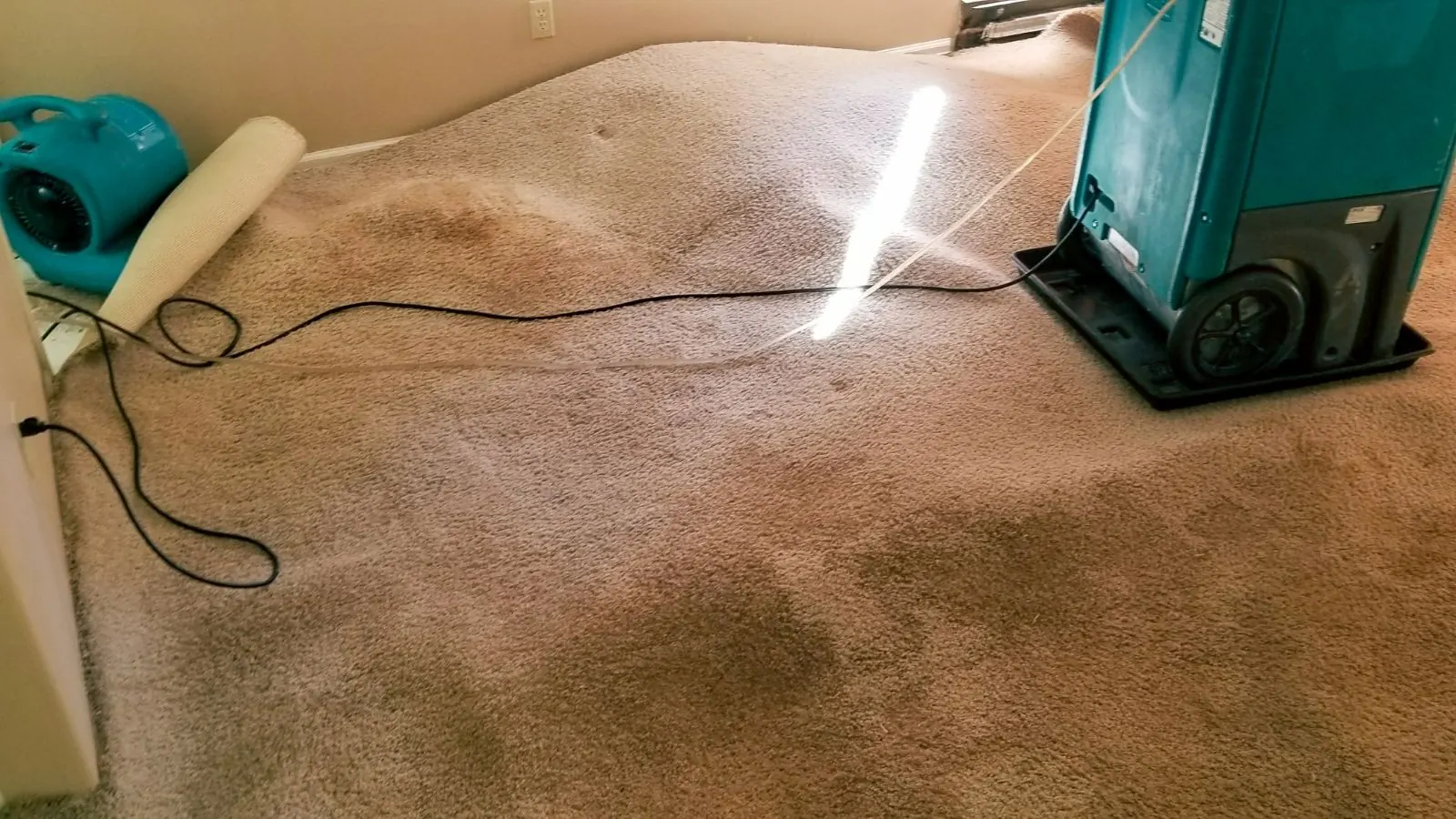
Water in the basement: what to do now
Basement flooding is an emergency, and our 24/7 line is open for it. Do not go down if water is near outlets or the panel, keep the power off in the flooded area unless you can reach the panel dry and call so pumping can start.
If you can do so from a dry spot, stop the source, whether that is a line or an appliance. If it is rain or groundwater, move valuables upstairs and photograph the room from the stairs.
These calls come at all hours, especially during storms. Same-day response is what we work toward when crews are available, and the person on the phone will tell you what to expect.
Where basement water comes from
| Source | Clue | Other trade to involve |
|---|---|---|
| Heavy rain or high groundwater | Water at walls and floor joints | Waterproofing or drainage contractor. |
| Sump pump failure | Pit overflowing or pump silent | Plumber or sump service. |
| Floor drain backup | Brown water, odor | Plumber and city if needed. |
| Plumbing or water heater | Clear water from above or a corner | Plumber. |
A basement in Romulus after heavy rain
Romulus saw 3.31 inches of rain in about an hour and a half on July 28, 2025, according to the National Weather Service storm report. Rain like that fills window wells, overloads floor drains and floods sump pits, and the power outages it caused can stop sump pumps.
If your basement has flooded before, ask your insurer about water or sewer back-up endorsements and check the FEMA flood map for your address.
How we clean up a basement
Pump and extract
Submersible pumps remove depth and extractors take water from carpet and low areas.
Remove wet materials
Pad, bottom drywall, insulation and stored items that cannot dry are removed.
Clean and treat
Surfaces are cleaned with an antimicrobial where needed, especially after contaminated water.
Dry
Dehumidifiers and air movers run with daily readings until the basement is dry.
Finished versus unfinished basements
Many Southeast Michigan homes have basements, and finishes vary widely. A bare concrete floor dries fast, while finished walls, carpet and insulation hold water and need removal.
We ask about your layout before we plan so we bring the right equipment.
What to do with stored belongings
Basements hold boxes, tools, holiday items and sometimes furniture. Lift what you can onto shelves or upstairs, and photograph anything that was wet before moving it, since your insurer may want to see it.
Paper, photos and fabric dry best if handled quickly. Photos, papers and fabric dry best if handled quickly, so move them to a dry place and keep them flat or spread out.
Sump pumps, floor drains and window wells
Three features account for many basement problems. A sump pump moves groundwater out of a pit, a floor drain carries water to the sewer, and a window well keeps soil away from a basement window.
If the pump fails, the drain backs up or the well fills, water has nowhere to go but in. Testing the pump, keeping drains clear and covering wells are simple steps that reduce risk.
What affects the cost
Cost factors
Cost follows depth, finished area, contamination and drying time. A finished basement costs more than an unfinished one because there are more materials to remove and replace.
We explain scope and price before work starts.
Insurance and related services
Michigan DIFS says flood damage is not covered by a standard homeowners policy, while sump pump failure or sewer backup may be covered depending on the policy. Describe the loss as water damage and ask. See flood damage restoration, sewage backup cleanup and water heater leak cleanup.
Questions people ask
Yes. The 24/7 line is open nights, weekends and holidays. Tell us the depth and whether power is on.
Not if water is near outlets or the panel. Stay out and wait for power to be off and the water gone.
Often partly. Drywall, carpet and insulation that were wet are usually removed, while tile and solid surfaces may be cleaned. We explain each.
Michigan DIFS notes a failing sump pump or sewer backup may be covered under a policy, so do not assume it is flood. Ask your insurer.
Test your sump pump, consider a battery backup, clear window wells and keep gutters flowing away from the foundation.