
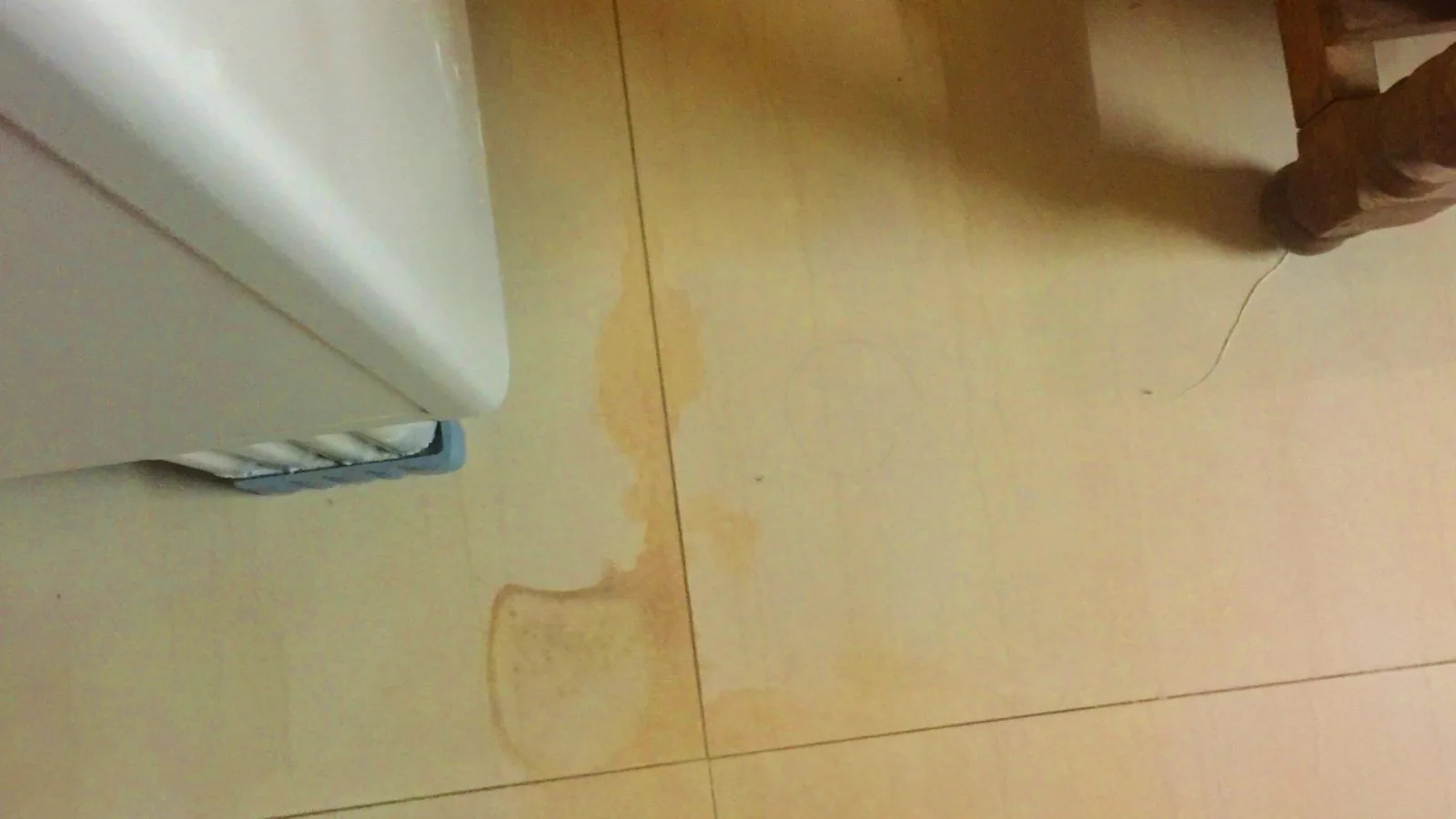
Why wet hardwood changes shape
Wood absorbs water and swells across the grain. When the edges take in more moisture than the center, boards cup. When the whole floor swells and has nowhere to go, it can buckle and lift off the subfloor.
Speed matters because the longer boards stay wet, the more likely they are to warp permanently. That is also why a floor that looks fine the first day can fail the next week.
Cupping, crowning and buckling
| What you see | What it means | Likely path |
|---|---|---|
| Edges higher than the center (cupping) | Moisture from below or a spill that soaked in | Dry slowly, often sand later. |
| Center higher than the edges (crowning) | Floor sanded while still wet or dried unevenly | Let it settle, then evaluate. |
| Boards lifting off the floor (buckling) | Severe swelling | Often replacement of sections. |
| Dark stains or black spots | Water sat long enough to stain wood | Refinish may not remove it. |
How we dry a wood floor
Measure
A moisture meter on the boards and subfloor shows how deep the water went.
Remove surface water
Extraction takes water off the floor and out of seams.
Dry slowly and under control
Floor drying systems and dehumidifiers pull moisture out without shocking the wood.
Wait and re-measure
We check readings before sanding or replacement, since drying too fast can cause cracking.
Dry, refinish or replace
Wood that dries flat can often be sanded and refinished. Boards that stay cupped, stained or buckled usually need replacement, and finishes such as engineered wood or laminate behave differently from solid planks.
We give a recommendation based on readings and what we see, and we explain the trade-offs so you can choose.
When water comes from below
If boards cup without any visible spill, the moisture may come from the basement, a crawl space or a slab. Check crawl space water damage and slab leak water damage before replacing a floor that will fail again.
Types of wood flooring and how they differ
| Type | Water sensitivity | Repair outlook |
|---|---|---|
| Solid strip or plank | Absorbs and swells at the edges | Can often be dried, sanded and refinished. |
| Engineered wood | Layers can delaminate | Often replaced if layers separate. |
| Laminate | Core swells and edges lift | Usually replaced in the wet area. |
| Parquet | Blocks can loosen at the adhesive | Repair by block or by section. |
What not to do to a wet wood floor
Do not run a heater on high or point a heat gun at the floor, because fast drying causes splits. Do not seal it with wax or finish while it is damp and do not put area rugs back on top.
Also avoid sanding before the readings come down, even if the surface looks dry. We wait for the numbers because cupping can return after a refinish.
How long the process takes
Wood dries slowly. Many floors need days of controlled drying, followed by a waiting period before we decide on sanding or replacement.
That can feel long, but it protects the result. We explain the schedule at the start and update you as readings change.
The S500 standard and hardwood drying
ANSI/IICRC S500 is the published standard for professional water damage restoration, and it supports the practice of drying wood slowly with measured readings. Fast heat can warp boards, so the standard favors controlled conditions and moisture mapping.
We cite it as the industry reference for our method. It is not a claim that we hold a certificate.
What affects the cost
Cost factors
Cost depends on the area, the wood species and thickness, whether the floor is solid or engineered and how many boards need replacing. Matching an existing finish can take more work than the repair itself.
We explain scope and price before work starts.
Insurance and related services
Insurers look at the cause, so describe the loss as water damage and photograph the floor before any cleanup. If the source was an appliance, see appliance leak water damage. For the moisture step see structural drying.
Questions people ask
Active water is taken on the 24/7 line at any hour. Drying and repair planning can usually be scheduled.
Sometimes. If drying is controlled and the boards were not too swollen, cupping can ease over weeks. We check readings before deciding.
No. Sanding before the wood is dry can leave it crowned. We wait for readings that match dry reference.
Yes. It has layers that can delaminate when wet, so it often does not recover as well as solid wood.
We can scope refinishing or replacement as part of the rebuild or coordinate with your flooring contractor.