
Signs your home is still wet after cleanup
Surfaces can feel dry while the framing inside is not. A musty smell, floors that cup or feel soft, walls that stay cool and damp to the touch, peeling paint and windows that fog on the inside after a leak are all hints that moisture is still trapped.
If any of those apply, drying is the missing step. A mop and fans from the hardware store rarely reach water inside a cavity.
| What you notice | Where moisture may be | How we check |
|---|---|---|
| Musty smell | Wall cavity, under carpet or insulation | Moisture meter and thermal camera. |
| Cupped or soft floor | Subfloor and joists | Probe meter readings at several points. |
| Cool damp wall | Drywall and studs | Thermal imaging and pin readings. |
| High indoor humidity | Air and materials | Hygrometer readings of air and surfaces. |
What structural drying means
Structural drying removes moisture from the building materials themselves, not just the air. Air movers push dry air across surfaces, and LGR dehumidifiers pull moisture out of the air so more evaporates from the materials.
It is a measured process. We record readings on each visit and compare them to dry reference points, and we stop only when readings reach the drying goals set for the job.
The equipment and what it does
Air movers
Axial and centrifugal air movers push air across wet surfaces to speed evaporation.
LGR dehumidifiers
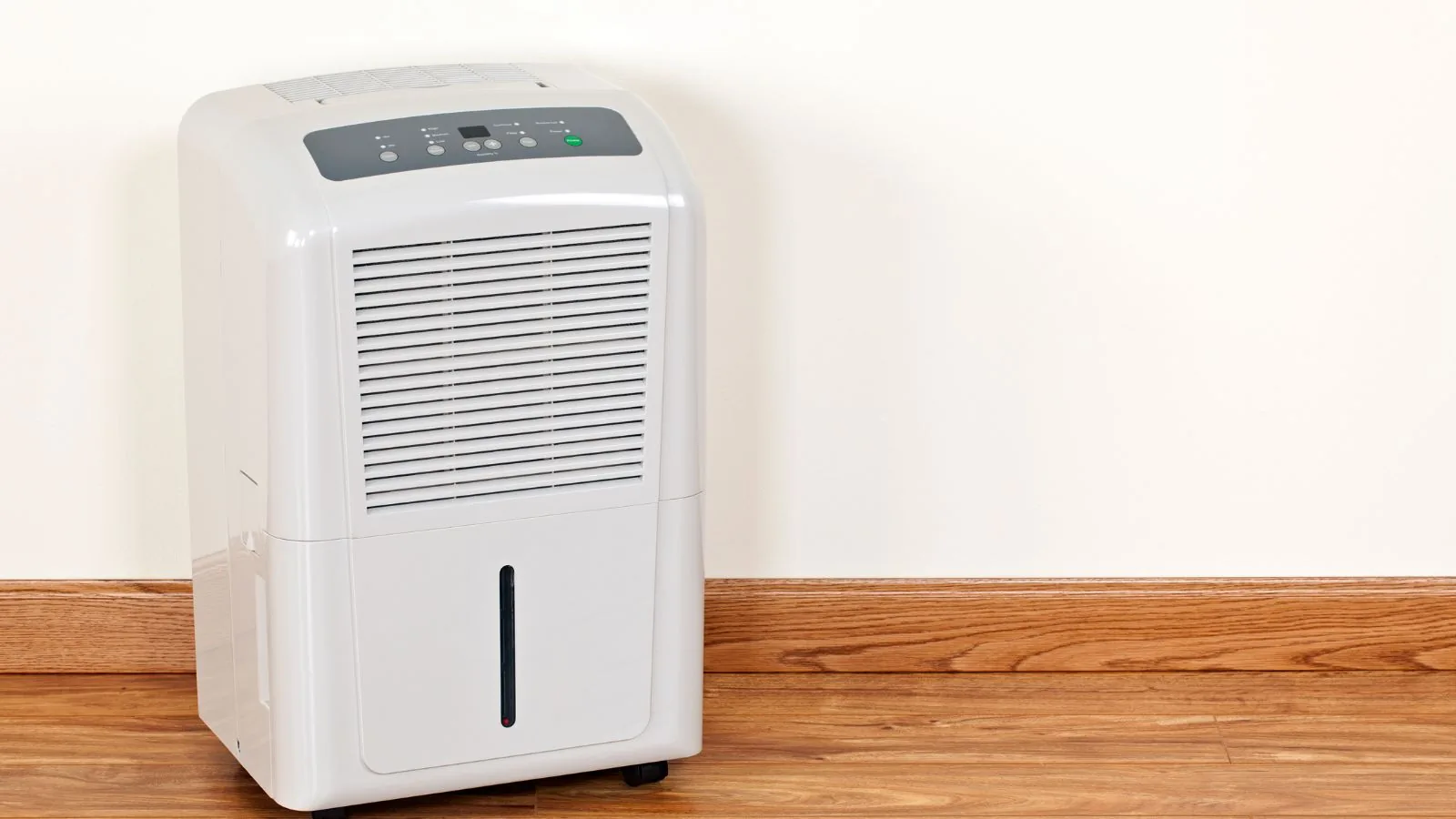
Low grain refrigerant dehumidifiers pull moisture from the air in a closed drying space.
Wall and floor drying systems
Cavity drying and floor mats move air through places a fan cannot reach.
Moisture meters
Pin and thermal tools check progress and show when materials reach the target.
Why drying takes several days
Drying speed depends on how much water the materials absorbed, the temperature, the humidity and the airflow. Dense materials such as hardwood, plaster and concrete release water slowly.
Many jobs take several days, and some take longer. We tell you what readings we expect and adjust equipment if progress stalls.
What readings we keep and why
Each visit, we record temperature, relative humidity and moisture readings in the affected materials. We compare them with dry reference points from unaffected areas of the same building.
Those records show progress, tell us when to move or remove equipment and give you and your insurer clear proof the structure reached drying goals. Without readings, a job can end too early or run too long.
Drying specific materials
| Material | Drying behavior | Common approach |
|---|---|---|
| Drywall and plaster | Dries in days if airflow reaches it | Vent the cavity and use dehumidification. |
| Wood framing and subfloor | Slower, depends on thickness | Heat and airflow with readings. |
| Concrete | Very slow | Dehumidify and ventilate over time. |
| Insulation | Often holds water | Remove when saturated. |
The S500 standard behind structural drying
ANSI/IICRC S500 is the published standard for professional water damage restoration, and drying is the part it spells out in the most detail. It describes classes of water loss, psychrometric thinking and the idea of reaching documented drying goals.
We cite it as the industry reference for our process. It is not a claim that we hold a certificate, and the readings on your own job decide when equipment leaves.
What to do and what not to do during drying
Keep doors and windows closed in the drying area so the equipment can control the air. Do not turn off or move dehumidifiers and fans, and do not run extension cords through wet areas.
Call the 24/7 line if you notice a new wet spot, a strong odor or an equipment fault.
What affects the cost
Cost factors
The main factors are the area being dried, the number of days equipment runs, how many pieces are needed and how dense the materials are. Larger or deeper losses need more equipment.
We explain scope and price before work starts, and the daily readings document the work.
Insurance, documentation and who needs this
Drying logs, photos and readings are exactly what an insurer reviews, so keep copies. Ask your insurer what applies to your loss and describe it as water damage. Drying matters for every loss type, from water extraction jobs to wall and drywall damage and basement cleanup.
If the loss just happened
Structural drying is usually not an emergency by itself, but it should start soon after the water is removed. If water is still present, call the 24/7 line and we will start with extraction before drying.
Questions people ask
Cool, damp or discolored walls and a musty smell suggest it, but only a moisture meter or thermal camera can confirm. Call and we can check.
It depends on how wet the materials are and the conditions. Many jobs take several days, and we check readings on each visit.
They help with small losses. For wall cavities, subfloors or large areas, commercial equipment and measured readings do the job properly.
Yes, air movers and dehumidifiers are noisy and warm up the space. We explain the setup so you know what to expect.
Yes. Clean water still soaks framing and insulation, and trapped moisture can damage materials over time.