
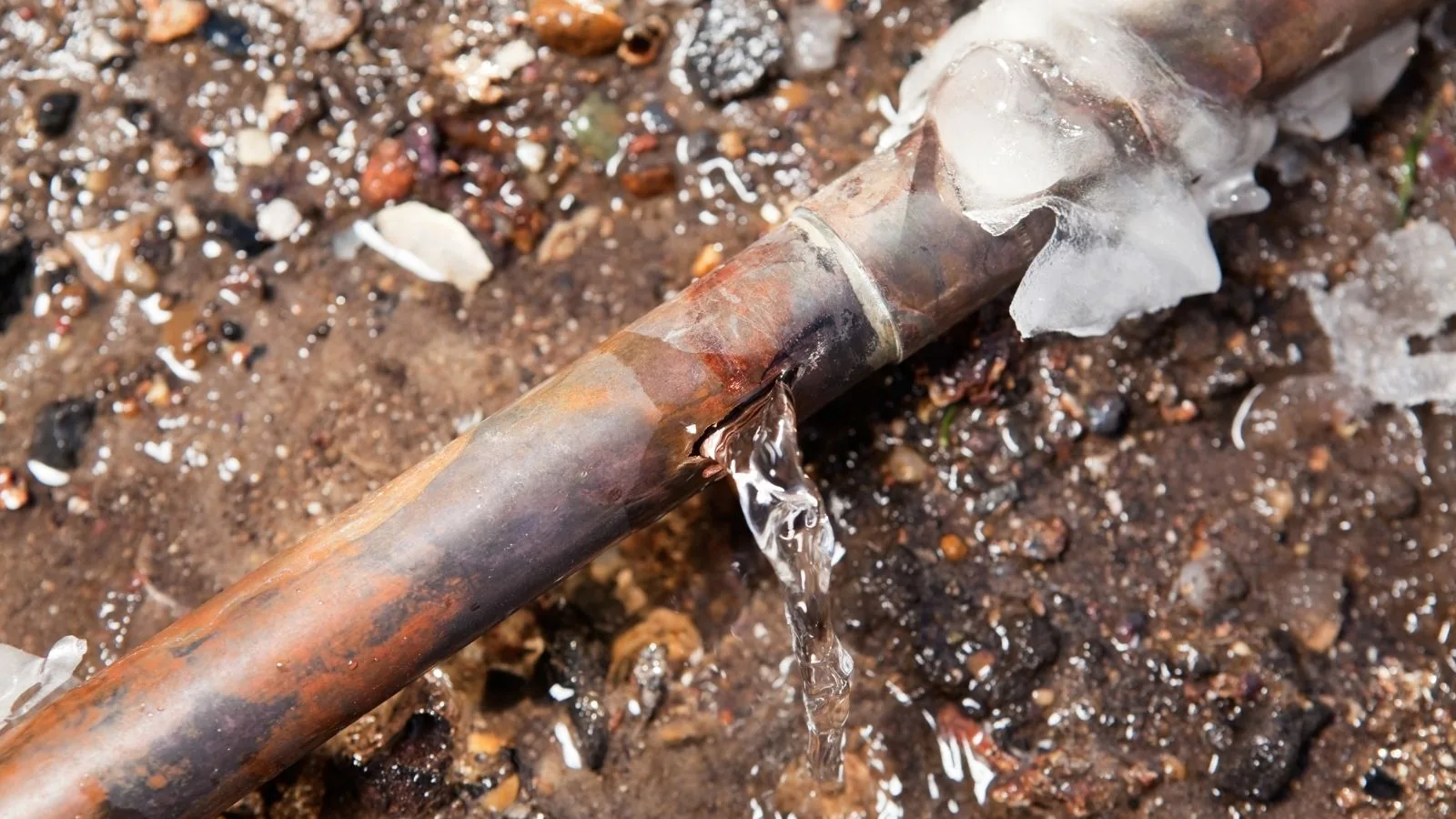
Why empty houses are at risk
A leak that would be a mop-up when you are home becomes a flood when no one is there. Water keeps running for days, soaks the structure and may only be found when you return.
Insurers also look closely at losses in vacant homes, so the habits below protect both the house and a future claim.
Before you leave: the checklist
- Shut off the main water valve for trips of more than a day or two.
- Replace old rubber washer hoses with braided ones and check for bulges.
- Set the thermostat to a safe temperature in cold months, not to off.
- Test the sump pump and make sure the pit has no debris.
- Clear gutters and downspouts so water flows away from the foundation.
- Open cabinet doors on exterior walls during a freeze.
What to leave on and what to turn off
| System | Away for a weekend | Away for a week or more |
|---|---|---|
| Main water valve | Consider closing it | Close it. |
| Water heater | Leave on or lower the setting | Turn off or set to vacation mode. |
| Heat in winter | Keep on at a safe level | Keep on at a safe level. |
| Sump pump | Leave on and tested | Leave on, consider a battery backup. |
| Washer and dishwasher | Off, valves closed | Off, valves closed. |
Have someone check in
Ask a neighbor or relative to check inside every few days, especially in winter or during storm season. Give them the main shutoff location and our number, and tell them to call if they see water or hear running water.
Smart leak sensors under sinks, near the water heater and by the sump pit alert your phone if water appears, and they are inexpensive compared with a cleanup.
A season by season plan
| Season | Main risk | Best precaution |
|---|---|---|
| Winter | Frozen pipes in exterior walls and garages | Keep heat on, open cabinet doors, know the shutoff. |
| Spring | Snowmelt and heavy rain | Test the sump pump, clear gutters and window wells. |
| Summer | Sudden storms and power outages | Battery backup for the pump, check the grading. |
| Fall | Clogged gutters and hoses left connected | Clean gutters, drain outdoor lines. |
Vacation homes and long absences
For a month or longer, close the main valve, drain the lines if the house will be cold and ask someone to walk through weekly. Document the condition of the house before you leave with a short video, which also helps if you ever need to file a claim.
Tell your insurer if the home will be vacant for a long stretch, because many policies change what they cover after a set number of days.
What to tell the person checking the house
Give them a short written note. It should say where the main shutoff is, where the sump pump and water heater are, who to call in an emergency and what you want them to do if they find water, which is to close the valve first and then call.
Remind them not to step into standing water near outlets, and to photograph anything they see before moving it.
Cheap upgrades that pay off
A few inexpensive changes reduce risk for years. Braided steel supply hoses, a water heater drip pan with a drain, battery powered leak sensors and an automatic shutoff valve on the main line all cost far less than a flooded floor.
An automatic shutoff valve closes when it senses unusual flow, which can stop a burst while you are asleep or on the road. Ask a plumber whether one suits your system.
The industry standard behind prevention advice
The ANSI/IICRC S500 standard for professional water damage restoration is the published industry reference, and its water categories explain why a small leak left for a week becomes a bigger loss. Time is one of the main factors it names.
We cite the standard to explain why prevention checks matter. It is an industry document and not a claim of certification.
Romulus note: the weather that tests an empty house
Romulus note: local weather facts
The National Weather Service 1991 to 2020 climate normals for Detroit show about 34 inches of precipitation and 45 inches of snow a year, which means freezing and thawing every winter. On July 28, 2025 Romulus recorded 3.31 inches of rain in about an hour and a half, along with numerous downed power lines in the area.
Those two facts are why a heated house and a working sump pump matter, and why a power outage plan, such as a battery backup for the pump, is worth thinking about before you travel.
If you come home to water
Stop the source if it is safe, keep power off in wet areas unless you can reach the panel dry and photograph the damage. Then call the 24/7 line, and see our pages on burst pipe cleanup and frozen pipe damage for what happens next.
Homeowners in Belleville and New Boston can use the same checklist, with extra attention to sump pumps near the Huron River.
Common questions
For trips of more than a day or two, yes. It removes the biggest risk of a supply line failing while you are gone.
No. Keep the heat on at a safe level so pipes inside the house do not freeze.
They can, if they alert your phone and someone can respond. A sensor that only beeps in an empty house is less useful.
The thermostat, the sump pump, exterior wall cabinets and the main shutoff. Local winters average about 45 inches of snow, so freeze protection matters.
Whoever checks on the house, plus your family. Write it down and mark the valve.