
Start with the water category
The first question is not what the item is. It is what kind of water got on it. Clean water from a supply line is the most forgiving, water from a washer or dishwasher carries some contamination and floodwater or sewage is treated as grossly contaminated.
The ANSI/IICRC S500 standard that many restoration professionals use as a reference groups water into three categories along those lines. The category changes what can be cleaned and what should be discarded.
A sorting guide by material
| Material | Clean water | Contaminated water |
|---|---|---|
| Solid wood furniture | Often dried and saved | Cleaned if nonporous finish, otherwise discard. |
| Upholstered furniture | May be dried and cleaned | Usually discarded. |
| Mattresses and pillows | Often discarded if soaked | Discard. |
| Carpet and pad | Pad often replaced, carpet maybe saved | Usually discarded. |
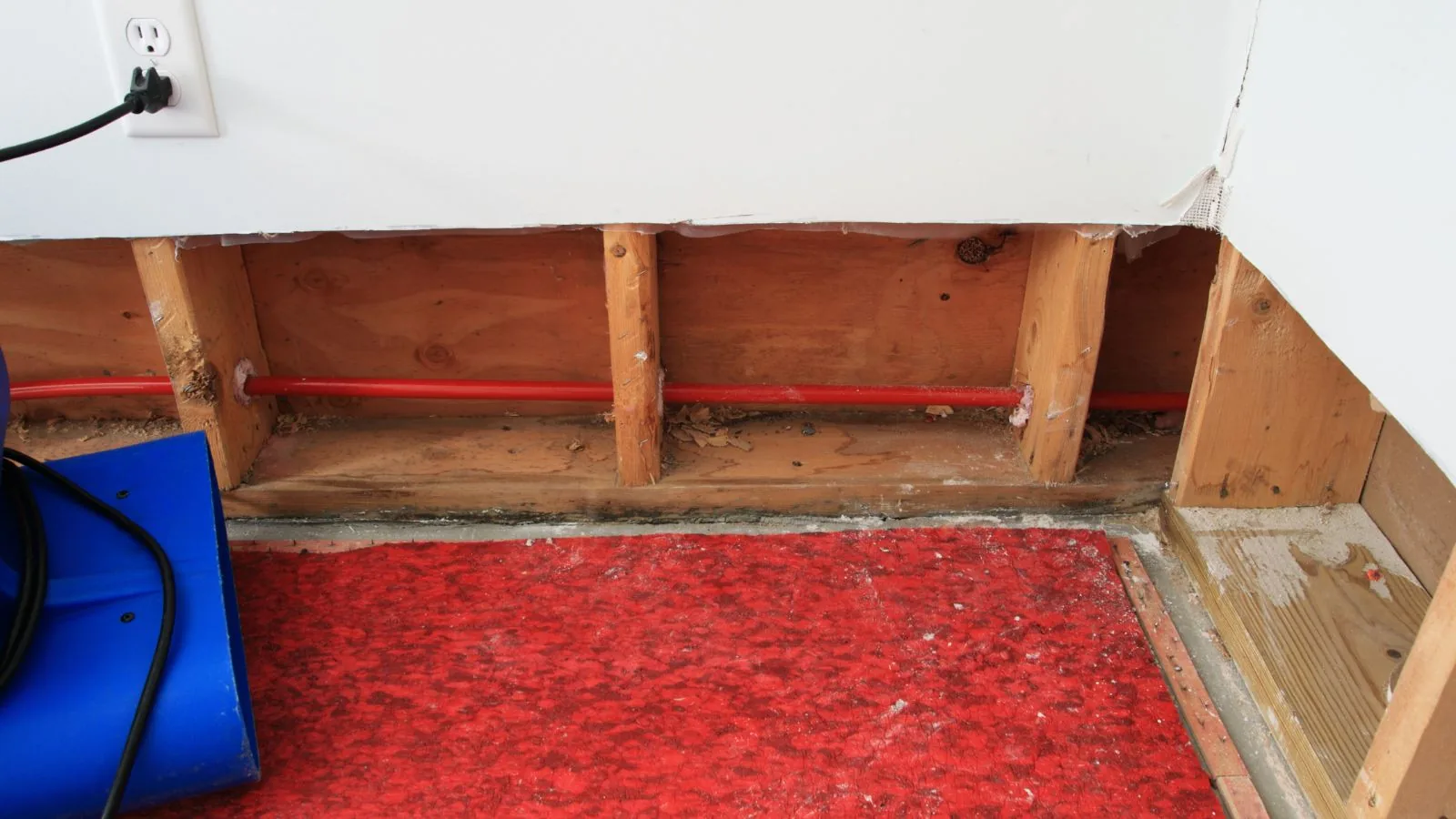
| Drywall and insulation | Cut out if soaked | Discard. |
| Glass, metal and hard plastic | Clean and keep | Clean and sanitize. |
| Paper and books | Dry quickly if valuable | Usually discarded unless irreplaceable. |
| Food in contact with water | Discard if unsealed | Discard. |
Photograph before you throw anything out
Take photos of each item, its label and any model or serial number. Make a written list with a rough age and value, because that is the backbone of a contents claim.
Michigan DIFS advises policyholders not to get rid of damaged items until the insurance company instructs them to. Set items aside in a dry area instead of curbing them the same day, unless they pose a health or safety risk.
Clean, sanitize or replace
Cleaning means removing visible dirt, and sanitizing goes a step further with a suitable product. Hard, nonporous items can usually be washed with detergent and a sanitizer, while porous items hold contamination below the surface.
Electronics and appliances have their own rules, so see our note on them before you plug anything in. For wet floors and walls themselves, carpet water damage and wall and drywall repair explain what usually stays and goes.
Clothing, bedding and soft goods
Clothes that touched clean water can usually be washed and dried. Items that touched sewage or floodwater should be handled with gloves and washed separately in hot water if they are to be kept, or discarded if they are low value.
Do not leave wet fabric piled up, because it sours quickly. Spread it out to dry or bag it and set it aside while you decide.
Items that deserve a second opinion
Antiques, heirlooms and sentimental pieces are worth more than a quick decision. Ask a conservator or a restoration professional before you discard them, and keep them in a dry place while you decide.
The same goes for large appliances and electronics, which may look fine but can fail later. Check our guidance on devices and have a technician look before you plug them in.
A note on odors
A lingering smell after cleaning is a sign that moisture or contamination remains. If an item still smells after washing and drying, it is usually safer to replace it.
Persistent odors in a room can also mean wet materials behind walls or under floors, so ask for a moisture check rather than masking the smell.
Disposal and local rules
Large amounts of wet debris can overwhelm normal trash pickup. Ask the City of Romulus or your hauler about bulk collection and any rules for contaminated materials before you stack items at the curb.
If a restoration crew removes materials for you, it can handle disposal as part of the job.
Romulus note: what flooding here has looked like
Romulus note: official facts about local flooding
The National Weather Service reported 4 to 6 inches of rain over about four hours across Wayne, southern Oakland and Macomb counties on August 11, 2014. On July 28, 2025 it recorded 3.31 inches in Romulus in about an hour and a half, with flooded roads and stranded vehicles. Floodwater from events like these is generally treated as contaminated.
That is why homeowners in New Boston and Belleville who see water enter from outside should plan to discard porous items it touched, and why insurance documentation matters before you do.
A practical sorting day
Set up three areas: keep, clean and discard. Wear gloves and boots, work in daylight and take breaks, because this is physically and emotionally tiring. Label bags so you can find what you need for the claim later.
If the work feels overwhelming, ask a friend to help with lifting and let the professionals handle anything contaminated. Our sewage backup cleanup and flood damage cleanup pages explain what crews do.
Common questions
A mattress soaked with clean water may be dried if it is caught quickly, but most are discarded because they are hard to dry through. Contaminated water means discard.
Soaked drywall is usually cut out, since it is hard to dry and may crumble. A professional can check readings to see if a wall can dry in place.
Keep them in a dry area and photograph them. Michigan DIFS advises waiting for the insurer's instructions before discarding.
If floodwater or sewage touched an item, treat it as contaminated. A storm like July 28, 2025 can push outside water into basements.
Discard any food that touched floodwater or was not sealed. When in doubt, throw it out.