
The simple rule: small, clean and fast
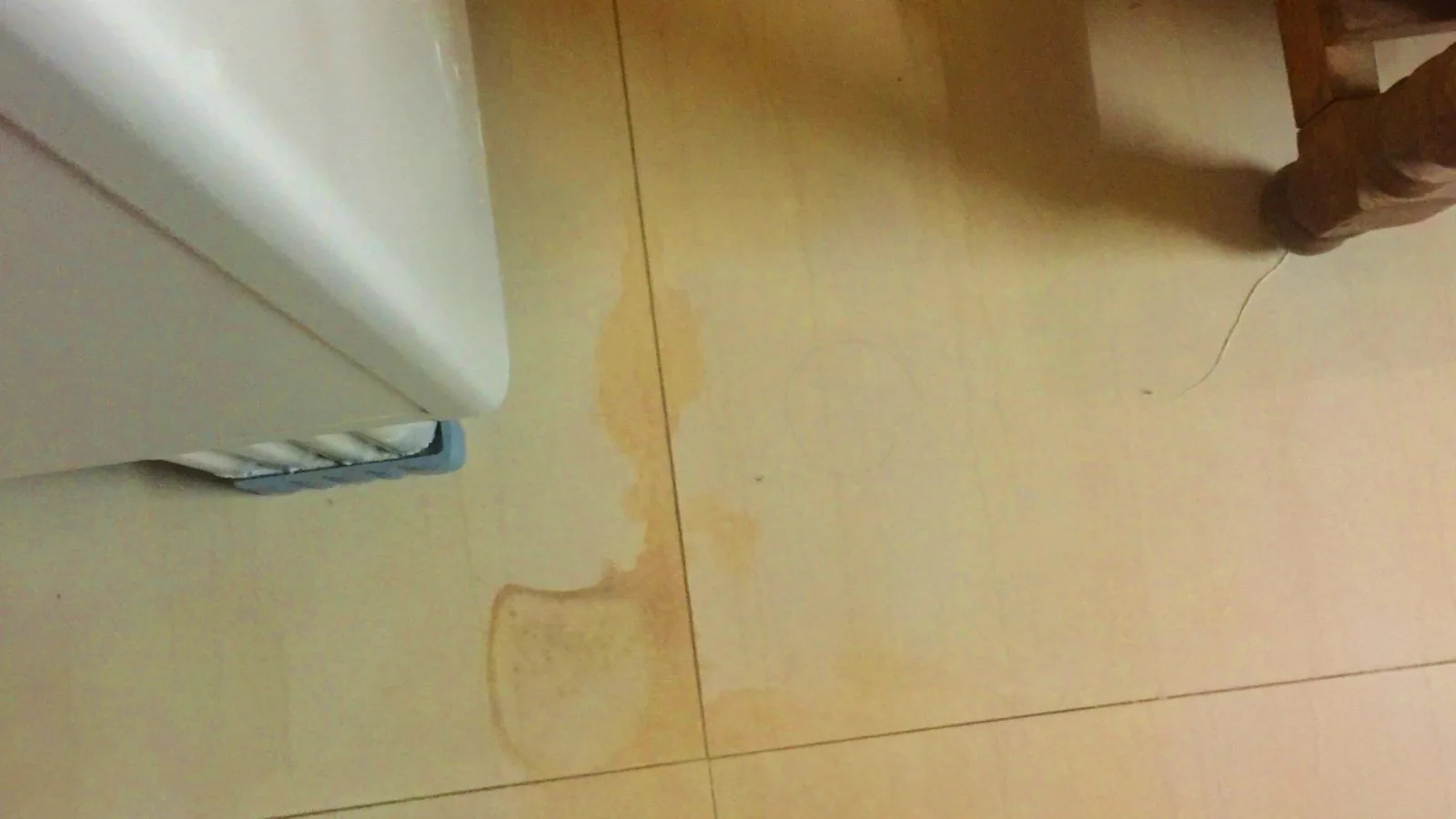
You can safely handle a small amount of clean water that you catch within minutes. That means a spilled pot, a drip from a faucet or a pet bowl, mopped up on a hard floor.
As soon as the water is deeper than an inch, has been sitting for hours or may be contaminated, the job changes and so do the risks.
Do it yourself or call
| Situation | Safe to DIY? | Why |
|---|---|---|
| Spill on tile, mopped up quickly | Yes | Nonporous and caught early. |
| Wet carpet over a small area, clean water, caught fast | Maybe | Pad may still hold water. |
| Water inside a wall or ceiling | No | You cannot see or reach it. |
| Water near outlets or the panel | No | Electrical hazard. |
| Water from a drain or toilet | No | Contaminated. |
| Anything that sat overnight | No | Moisture is deep in materials. |
What actually works at home
Towels, a wet vacuum and box fans help on small clean spills. Open windows when the air outside is drier than inside, and lift furniture so air can reach the floor.
Dehumidifiers from a store can help lower humidity, but they only pull moisture from the air, and they are slow when materials are soaked.
What does not work
- Running a household vacuum on wet carpet.
- Using space heaters near wet materials.
- Painting or sealing over damp drywall.
- Closing wet walls without checking the inside.
- Trusting that a dry surface means a dry structure.
Why professionals use measured drying
Moisture meters and thermal cameras find water you cannot see, and LGR dehumidifiers and air movers dry materials faster and more completely than household fans. Daily readings show when drying is finished.
If you are not sure, call and describe what you see. Our water extraction page and structural drying page explain the equipment.
A realistic first hour at home
Stop and look
Close the valve, check for electrical hazards and decide whether the water is clean, gray or from a drain.
Remove what you can
Wipe up clean water on hard surfaces and lift rugs, books and boxes off the floor.
Move air
Set fans to blow across the surface and open windows if the outside air is drier than the inside.
Check again
Look under furniture and along the wall base after an hour, then decide whether to call.
Rented equipment versus professional gear
| Tool | Rental or store version | Professional version |
|---|---|---|
| Dehumidifier | Consumer unit, slower at high moisture | LGR unit that dries more in less time. |
| Fans | Box fans move air in one direction | Air movers aimed to dry floors and walls. |
| Water removal | Wet vacuum for small amounts | Extractors that pull water from carpet and pad. |
| Moisture detection | Rarely available | Meters and thermal cameras. |
Safety limits to respect
Never use a vacuum or fan on standing water near outlets, and do not touch wet appliances while they are plugged in. If you smell gas, leave the house and call your utility from outside.
Do not enter a basement with standing water when the panel is below the waterline. That is a case for your utility and a professional, not for a mop.
Signs your DIY drying is not working
Watch for a musty smell that returns, floors that cup or feel soft, paint that bubbles and walls that stay cool and damp days after the spill. Any of these suggests water is still trapped.
If you see them, stop adding fans and call for a moisture check. Trapped moisture gets harder to fix the longer it sits.
Where the published standard draws the line
The ANSI/IICRC S500 standard is the published reference for professional water damage restoration, and it ties drying decisions to water category. Clean water from a supply line is where homeowners can safely do the most themselves.
Gray or black water, hidden moisture and wet insulation are where professional drying readings matter. The standard is an industry document and not a certificate.
Romulus note: why local weather changes the answer
Romulus note: humidity and season
Drying depends on humidity, and Southeast Michigan summers can be humid. The National Weather Service 1991 to 2020 normals for Detroit show about 34 inches of precipitation a year, which means damp weather is common, and in humid weather household fans struggle to dry a soaked room.
After a big rain like the 3.31 inches that fell in Romulus on July 28, 2025, outside air can be as wet as the inside air, so opening windows may not help. That is when a dehumidifier or professional drying makes the difference.
When DIY turns into a professional job
Call the 24/7 line if water is spreading, if it came from a drain or outside, if it reached walls or ceilings or if you are unsure how long it sat. Homeowners in Belleville and Inkster near rivers and lakes should lean toward calling early.
Common questions
It helps on small clean spills, but it cannot reach water inside walls or under floors.
Do not wait if water is deeper than an inch, in a wall or contaminated. Early calls save more materials.
On a small clean spill, yes, if you are away from outlets. Never use one near standing water that touches electrical devices.
Only when the outdoor air is drier than the indoor air. After a rainy day, it can make things worse.
A moisture meter tells you. If you do not have one, a professional check is worth it for any wall that got wet.